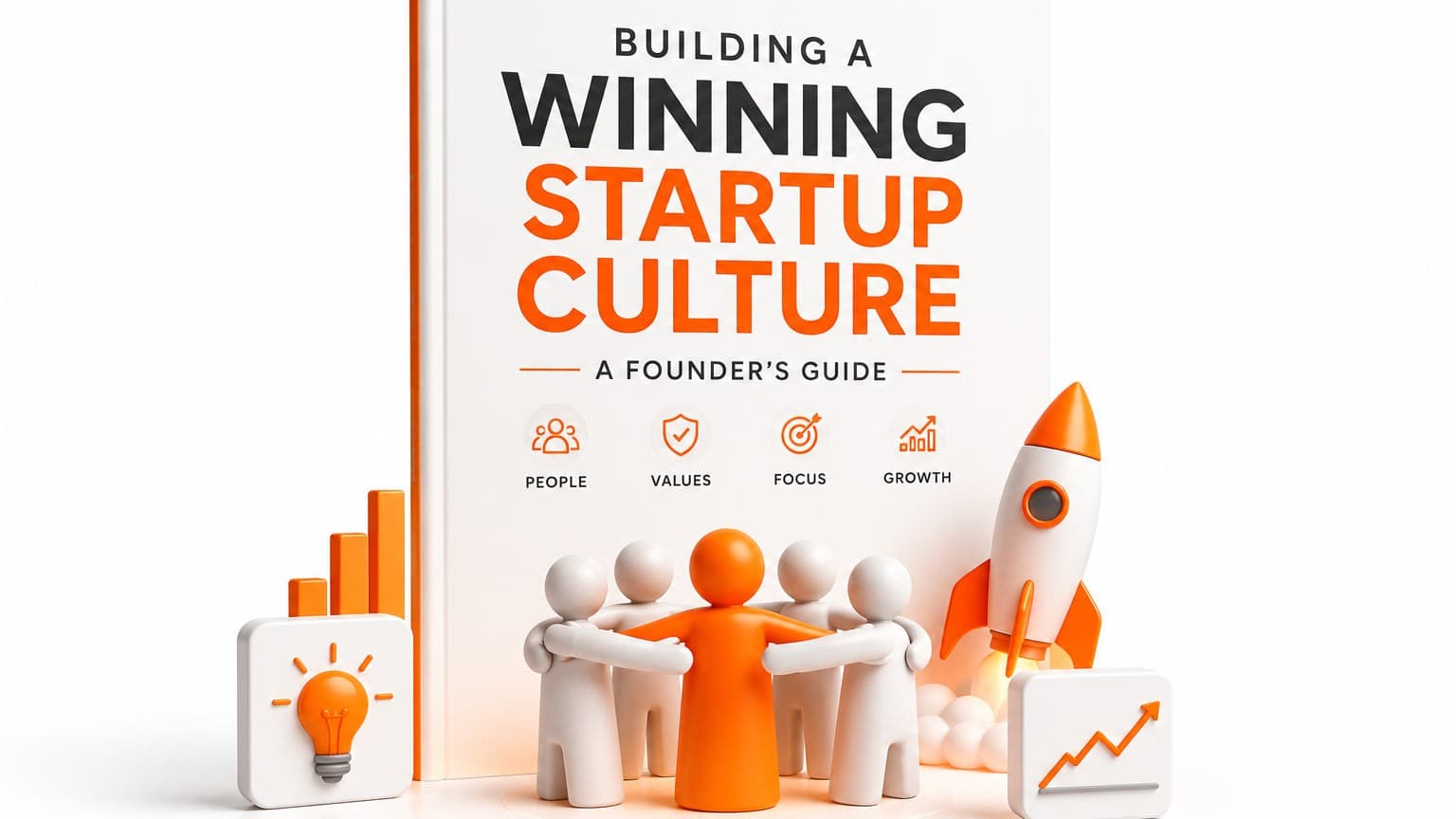
Building a Winning Startup Culture: A Founder's Guide
Smit Parekh
08 Jun 2026 • 05 Mins read min read
Building a startup is a marathon, not a sprint, and the culture you cultivate is the engine that powers your team through every mile. As founders, we're often so focused on product-market fit, funding rounds, and technical architecture that we can overlook the invisible architecture of our team's environment. Yet, this culture is what attracts top talent, retains them, and ultimately dictates your company's long-term success. This isn't about ping-pong tables or free snacks; it's about the core values, communication styles, and shared purpose that define how your team works and thrives.
Key Takeaways
- Define Core Values Early: Establish and live by principles that guide decisions and behaviors.
- Prioritize Communication: Foster open, honest, and transparent dialogue across all levels.
- Empower Your Team: Grant autonomy and trust, encouraging ownership and innovation.
- Embrace Feedback: Create a culture where constructive criticism is welcomed and acted upon.
- Lead by Example: Your actions as a founder set the tone for the entire organization.
The Foundation: Defining Your North Star
Before you even hire your first employee, you need to articulate what your startup stands for. These aren't just buzzwords; they are the guiding principles for every decision, from hiring to product strategy. I've seen firsthand how a clearly defined set of values acts as a compass. For instance, in a recent project, a client struggled with decision paralysis. By revisiting their core value of "bias for action," they were able to unblock their team and accelerate development.
Consider values like:
- Customer Obsession: Always put the user first.
- Radical Transparency: Share information openly, good or bad.
- Intellectual Honesty: Be willing to admit when you're wrong.
- Ownership: Encourage individuals to take responsibility for their work.
These values should be woven into your hiring process, performance reviews, and daily interactions. They are the bedrock of a strong startup culture.
Communication: The Lifeblood of Collaboration
As a full-stack engineer who's spent years building complex systems, I appreciate well-defined APIs and clear communication protocols. The same applies to human teams. In a startup environment, where agility is key, clear and open communication channels are non-negotiable. This means:
- Regular All-Hands Meetings: Keep everyone informed about company progress, challenges, and wins.
- Asynchronous Communication Tools: Leverage platforms like Slack or Teams effectively for quick updates, but establish norms to avoid constant distractions.
- 1-on-1s: Schedule consistent check-ins between managers and their direct reports to discuss performance, career growth, and any concerns.
- Documentation: Maintain clear documentation for processes, decisions, and technical architecture. I often recommend using tools like Notion or Confluence for this, ensuring knowledge is accessible to everyone.
I recall a situation where a missed communication about a critical API change in a Node.js backend led to significant downtime. Establishing a mandatory review process for all architectural changes, documented in a shared repository, prevented recurrence.
Empowering Autonomy and Ownership
Micromanagement is a culture killer. Top talent thrives when given the freedom to innovate and own their work. As a founder, your role shifts from direct task management to enabling your team. This involves:
- Clear Goal Setting: Define OKRs (Objectives and Key Results) or similar frameworks so the team understands what success looks like.
- Providing Resources: Ensure your team has the tools, training, and support they need to succeed.
- Trusting Their Expertise: Especially in technical domains like React frontend development or AI/LLM integration, empower your engineers to make technical decisions.
- Celebrating Wins: Acknowledge and reward individual and team achievements. This could be a simple shout-out in Slack or a more formal bonus structure.
When teams feel empowered, they are more likely to go the extra mile, identify innovative solutions, and feel a deeper sense of commitment to the company's mission.
Cultivating a Feedback-Rich Environment
Fear of criticism can stifle growth. A healthy startup culture encourages constructive feedback at all levels. This isn't about negativity; it's about continuous improvement. Implementing practices like:
- 360-Degree Feedback: Allow peers, managers, and even subordinates to provide feedback.
- Retrospectives: Regularly conduct team retrospectives after project milestones to discuss what went well, what didn't, and how to improve.
- Psychological Safety: Create an environment where team members feel safe to voice concerns, admit mistakes, and offer dissenting opinions without fear of retribution.
For example, during a complex DevOps pipeline rollout, our team held weekly retrospectives. Identifying bottlenecks and communication breakdowns early allowed us to iterate on our deployment strategy, ultimately leading to a smoother, more reliable release cycle.
Leading by Example: The Founder's Role
Culture isn't dictated; it's demonstrated. As a founder, your behavior is the most powerful cultural signal. If you preach transparency but hoard information, your team will learn to distrust. If you value work-life balance but send emails at 2 AM, your team will feel pressured to do the same.
- Walk the Talk: Consistently embody the values you've defined.
- Be Vulnerable: Admit your own mistakes and learning moments.
- Show Respect: Treat every team member with dignity and professionalism.
- Prioritize Well-being: Model healthy work habits and encourage your team to do the same.
My own journey as a developer and founder has taught me that building trust is paramount. This trust is earned through consistent, authentic leadership.
Handling Growth and Change
As your startup scales, maintaining your culture becomes more challenging. New hires bring different perspectives, and established processes might break under increased load. Proactive measures are crucial:
- Onboarding: Develop a robust onboarding process that immerses new hires in your company culture and values.
- Documentation: Continuously update documentation as processes evolve.
- Culture Champions: Identify individuals who naturally embody and promote your desired culture to help new team members integrate.
- Adaptability: Be prepared to adapt your cultural practices as the company grows, while staying true to your core principles.
For a client building a SaaS platform, we implemented a lightweight, asynchronous onboarding process using shared documentation and pre-recorded video introductions from key team members. This ensured consistency regardless of team location or time zone, maintaining cultural alignment.
FAQ
**Q: How do I define core values for a new startup? **A: Start by brainstorming principles that are essential to your mission and how you want to work. Involve your initial team members in this process to ensure buy-in and authenticity. Focus on actionable values, not just vague ideals.
**Q: What's the difference between culture and perks? **A: Perks are superficial benefits like free food or game rooms. Culture is the underlying system of beliefs, values, and behaviors that shape how people interact and work. While perks can be nice, they cannot compensate for a toxic culture.
**Q: How can I measure the health of my startup culture? **A: Use employee surveys, track retention rates, observe team dynamics, and conduct regular 1-on-1s. Look for patterns in feedback and behavior that indicate alignment with or deviation from your desired culture.
**Q: Is it possible to fix a bad startup culture? **A: Yes, but it requires significant effort and commitment from leadership. It involves honest self-assessment, clear communication of desired changes, consistent reinforcement of new behaviors, and sometimes, difficult personnel decisions.
Wrapping Up
Building a winning startup culture is an ongoing process, deeply intertwined with your technical execution and business strategy. It requires intentionality, consistent effort, and authentic leadership. It's about creating an environment where brilliant minds can do their best work, together. If you're navigating the complexities of scaling a tech team and want a senior engineer's perspective on establishing robust systems and a thriving work environment, let's connect.

From Zero to Traction: A Founder's Guide to Startup SEO in 90 Days
Starting a new venture is exhilarating, but gaining initial visibility often feels like shouting into a void. For many founders, a robust online presence is non-negotiable, and that means mastering **...

Why Your Startup Needs an SEO-First Content Strategy from Day One
Building a startup is a race against time and resources. Many founders prioritize product development, sales, and fundraising, often pushing content marketing to a later stage. However, neglecting an ...